DestinationsHeritage
Po Nagar Cham Towers
Tháp Bà Ponagar
A Cham temple complex on a hill above the Cai River, still a place of worship nearly a thousand years after its main tower was built. What to see and how to visit respectfully.
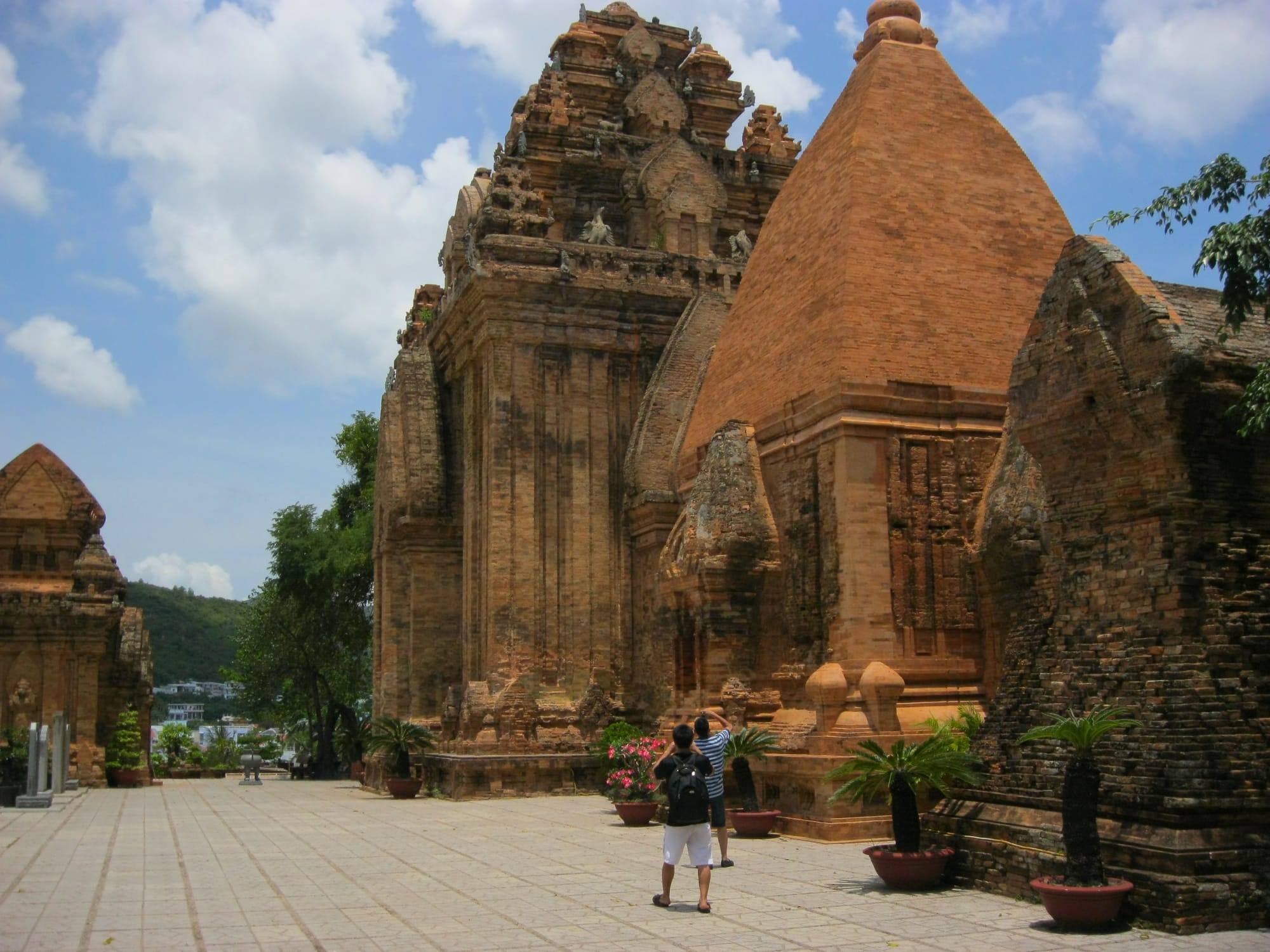
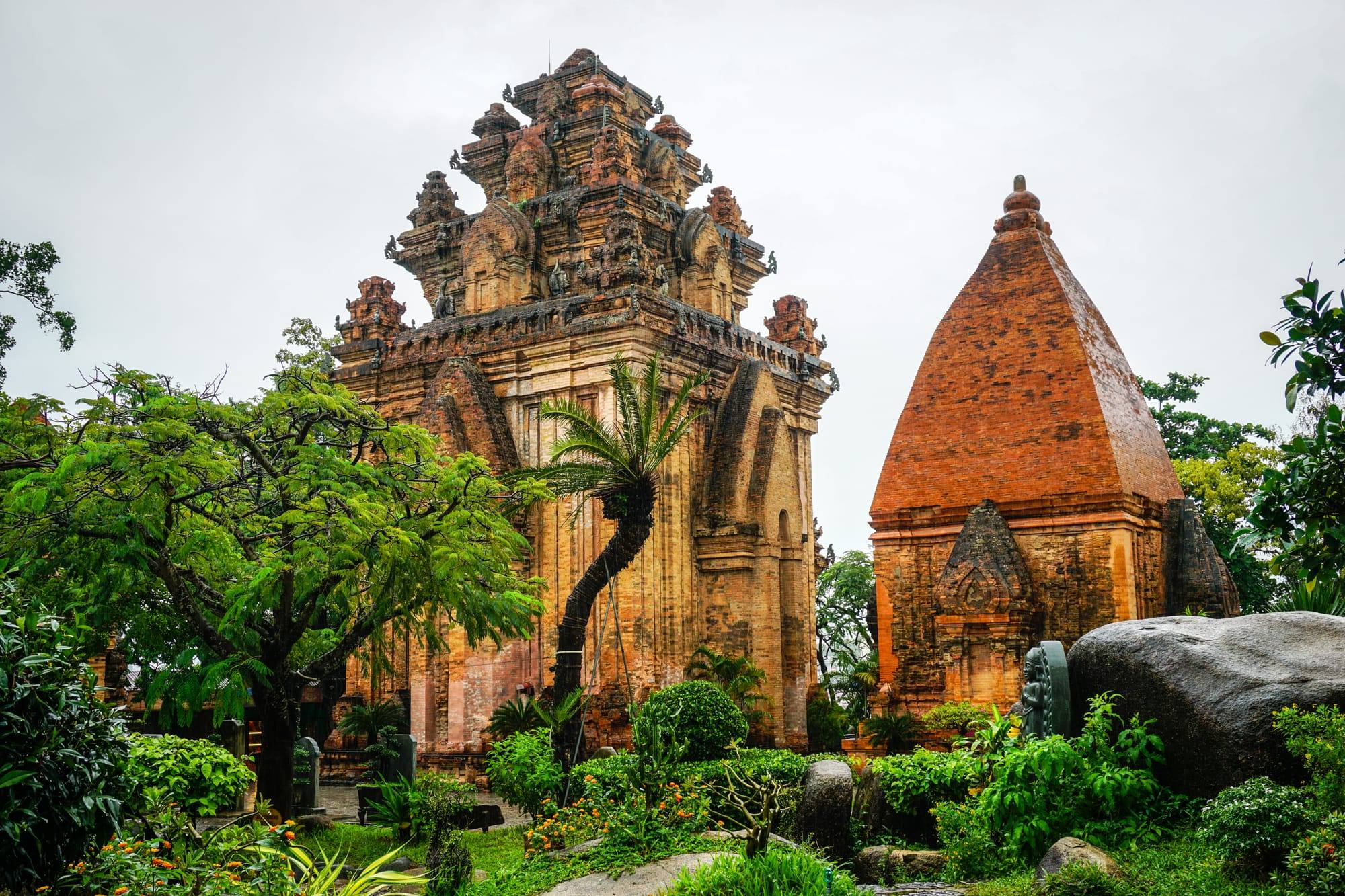
On a low hill on the north side of the Cai River, a group of red brick towers looks out over the fishing boats moored below. This is Po Nagar, the most important surviving monument of the Champa civilisation in this part of Vietnam, and the oldest building you will see in Nha Trang.
The Cham kingdoms ruled much of central and southern Vietnam’s coast for centuries. Their temples were built in fired brick, fitted so closely that scholars still debate exactly how it was done. The complex at Po Nagar was built and rebuilt over several centuries, and the main tower is generally dated to the eleventh century.
The goddess of the country
The temple is dedicated to Yang Ino Po Nagar, a mother goddess of the land for the Cham people. Vietnamese communities later adopted her as Thiên Y A Na, and today both traditions meet here. Inside the main tower, a statue of the goddess sits in the dim, incense-heavy room, dressed in fabric robes that are changed for ceremonies. Visitors leave fruit, flowers and incense.
That continuity is what makes Po Nagar special. You are not walking through ruins. You are visiting a place where people still come to ask for health, good harvests and safe returns from the sea.
What to look for
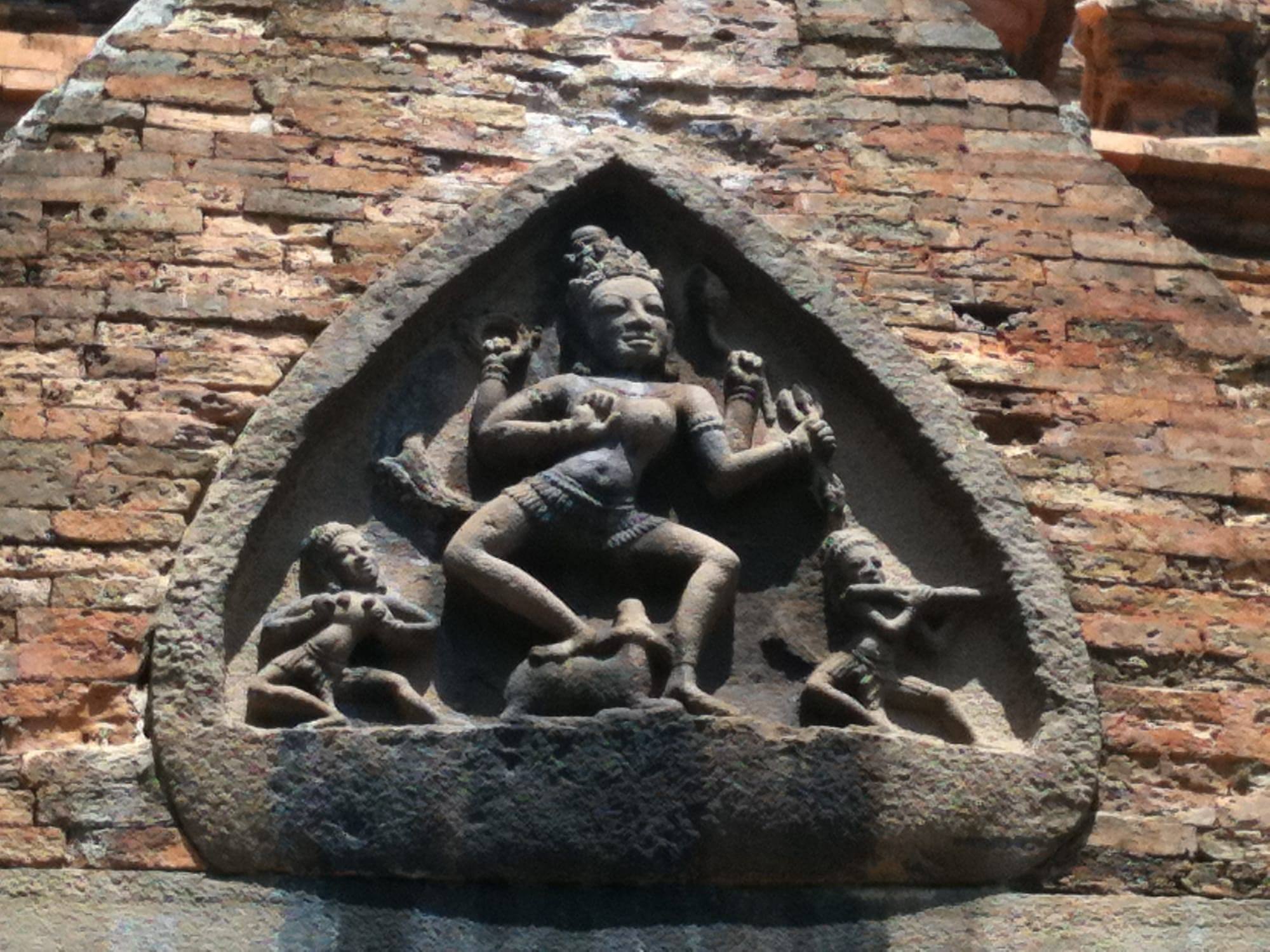
Take time over the carvings. Above the doorway of the main tower is a sculpted figure of the goddess Durga dancing on a buffalo, a reminder of the Hindu influences on Cham art. Around the towers, look for the sandstone details set into the brick and the inscriptions on carved stone tablets.
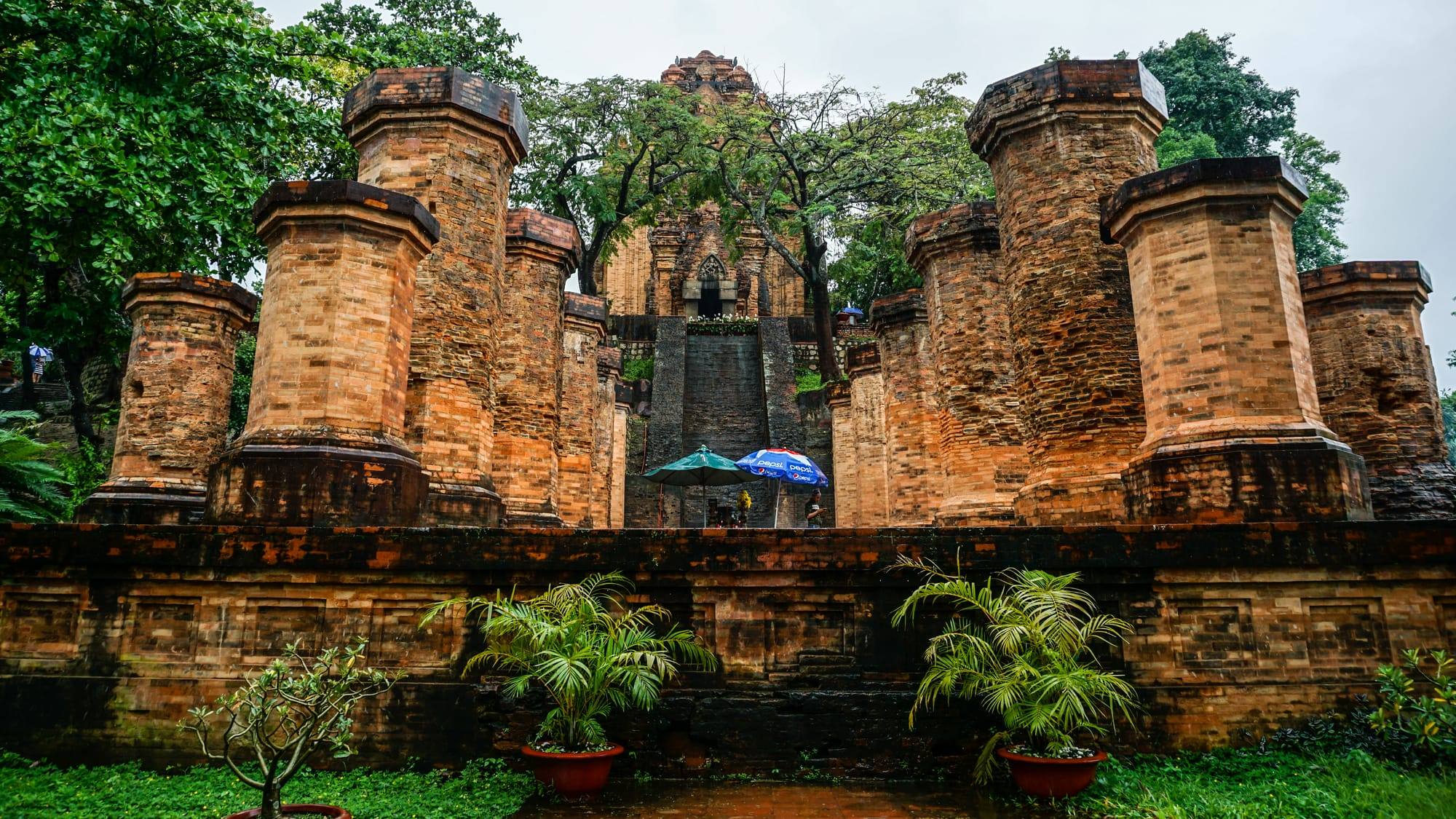
Below the towers is a hall with the stumps of brick pillars, where pilgrims once gathered before climbing the steps. From the edge of the terrace you get one of the best views in the city: the river mouth, the colourful boats and the bridge leading back to the centre.
Visiting during the festival
In the third month of the lunar calendar, Po Nagar hosts its main annual festival, with ceremonies, traditional music and dances. It is a moving time to visit, but very busy. Read our culture guide to the Thap Ba festival before you go.
Sample editorial content. This article was written for the Just in Nha Trang demo. Opening hours, prices and practical details are deliberately general and will be checked on the ground before publication.
In pictures